
The Story of Keys: What Opens, What Doesn’t, and What We Carry
A desk, a single skeleton key, and a collection gathered over a lifetime. A story about what opens, what doesn’t—and what we carry with us along the way.
It’s a relic. I don’t know how it came into my family, but for me, it has always been there. My dad’s old, solid oak, roll top desk, manufactured a very long time ago by H. S. Crocker (founded in San Francisco in 1880, and, yes, related to the banking and railroad Crockers). There is a key; an old skeleton key. Just one. And when you roll down the top, the desk locks the top and all of the drawers. It is a pretty cool engineering marvel.
My dad didn’t work from home. He was a travelling salesman for Schwinn Bicycles for the early part of my childhood and owned a Schwinn Bicycle shop from the time I was about eight years old, clear through college and until he retired. But, he had this desk at home. It had his things in it, I discovered after both of my parents passed away; a slide rule, a couple of “wheels” to calculate mark up and compound interest, the sales brochure to the house I grew up in, including his mathematical equations to figure out the monthly mortgage payments. Artifacts.
For most of my childhood, my dad smoked cigars. He smoked in the house, in the car, in the bike shop, and, apparently, though I can never actually remember him sitting at his roll top desk, he smoked there, too. I know this because every now and then, the desk smells like cigar smoke. Not in the “cough, cough, ew” sense, but in the “Hi Dad” kind of way.
After my dad passed away, the desk became my mom’s. She sat there and wrote out checks to pay the bills. She kept a checkbooks ledger and a separate spiral bound, college ruled, notebook ledger, of the checks she wrote, month after month. Upon her passing, I discovered that this careful attention to detail dated several decades, predating my own creation.
The desk is mine now. It is decorated with my things, the drawers full of my things. But, some of those cool, secret cubby holes and compartments? My dad’s slide rule and calculation wheels are tucked there, just like he left them. I also have Mom’s last spiral bound notebook ledger. I don’t know why, it’s been ten years, I don’t think any bills went unpaid. But it lives in one of the super deep drawers and I really have no intention of shredding it like I did the other 50 years worth. A relic, an artifact, and continuity.
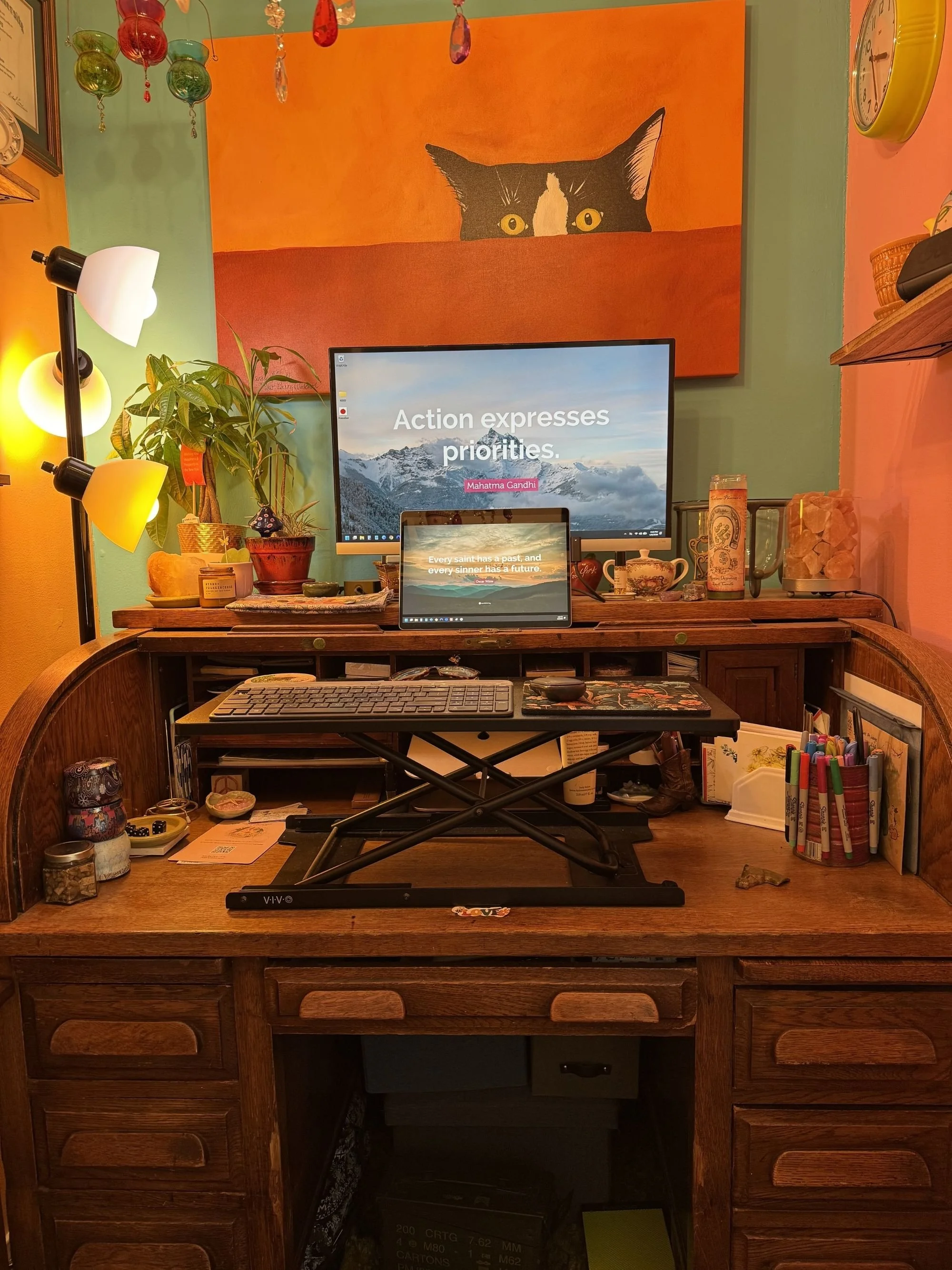
The desk is horrific to dust; all those cubby holes and little shelves. The roll top portion of the desk is ridged, which makes it especially hard to dust. And, of course, my things. Being a bit of a maximalist, there are quite a few things to move. And to dust. The desk, obviously, predates computers by several decades, but now holds an oversized monitor, a docking station for my PC, a “stand up desk” assembly, and all the other accouterments of modern desks. All of which must be moved, removed, disassembled, dusted, and then put back.
Dusting, generally, is my least favorite chore. I love cleaning. Just not dusting.
Especially “the desk”.
But, every now and then, the layer of dust gets the better of me and I stop everything to dust.
That is exactly what happened on one particular day. I decided to dust, and as long as I was at it, knowing it would be a good long time before I dusted again, I decided to do a really thorough job. What my mom would have called “damp dusting”; a damp cloth to remove the dirt, and a dry cloth, maybe with a little oil on it to dry and polish.
I usually keep the one, singular, remaining key in the lock itself. I went to dust the ridged roll top part of the desk, so I removed the key and placed it on the desk, rolled the top part way down and started dusting. Someone asked me a question, I turned to answer, and the desk decided to roll shut, locking the key inside. I will never forget the sound; a clatter, a thud, and a click.
At the time, I was running a very busy little bookkeeping practice from this desk. We closed early that day.
The remainder of the day was spent trying to figure out how to open the desk without a key. I can tell you from firsthand experience, ChatGPT will not give you advice on how to pick locks, no matter what logical reasons you provide for wanting to do so. I spent a lot of time on Google, which is how I know so much about H. S. Crocker company. Which, by the way, no longer exists. I spent a good portion of the day on YouTube watching lock pickers and scouring the house for hairpins, unbending paper clips, raiding the screwdriver drawer, and fashioning tools from bits or wire, old coat hangers, and various other odd, household items. Nothing worked.
One online suggestion was to “just buy skeleton keys”, there are only a couple of different styles and they are otherwise “pretty generic”. I ordered every skeleton key I could find off of Etsy and Amazon.
Until my packages arrived, I was conducting business from every other flat surface in the house, which was both inconvenient and uncomfortable. But at least I could afford to buy more skeleton keys.
And I was watching more YouTube videos in between tasks. By now, I could probably pick any lock in the world, except for my desk lock.
The packages began to arrive, one after another, day after day.
I would rip each package open and try the key. Some were too big around, others were too tiny. Too short, too long. More packages, more keys, no luck.
By this point, I was also trying to find a locksmith that might be “well versed” in “old desks with skeleton keys”. Most of those fellas are, themselves, skeletons.
Weeks passed and the final Etsy package arrived. I ripped it open, tried the key. No luck.
I was sitting on the floor, on the last bit of the 1970s, avocado green, shag carpet that sits under the massive desk; I was completely defeated. My phone lit up. It was a locksmith I’d left a message for a week before. They said that they might have someone available who could help. They quoted me a price which far exceeded what I’d spent online for skeleton keys, but I agreed.
Later that day I answered the door and found, unexpectedly, a very (very) young man standing there with a toolkit. I eyed the toolkit and it appeared to have in it everything I had already tried. But I let him in anyway and showed him the desk.
He went through the same series of implements and tools that I had tried; screwdrivers, paper clips, bits of wire in different gauges. Nothing worked. At his rate per hour, I was willing to pay for one hour. Only. I made this clear, in the most polite way I possibly could.
At minute 58, the young man turned and said, “I don’t want to break your desk, or mar it, but I am wondering whether I might be able to just pry it open. It might break the lock, but at least the desk might open.” I consented.
At minute 59, the young man pulled out the one tool I had not even considered; a pry bar. A big, heavy, blunt, metal pry bar. He edged the blade under the lip of the roll top and pried, gently at first. Nothing. At minute 59 and thirty seconds, he glanced at me, winced, and gave the pry bar a violent yank.
The desk opened. The desk was unharmed. The lock was unharmed. The young locksmith and I high fived, laughed, and I got out my checkbook (which, haha, had been locked in the desk drawer).
I learned a couple of lessons here.
First of all, dusting can have unpleasant consequences, LOL.
Second, try, try again, and then get the pry bar.
Third, keep the key on a keychain and hang it far away from the desk; which I’ve done.
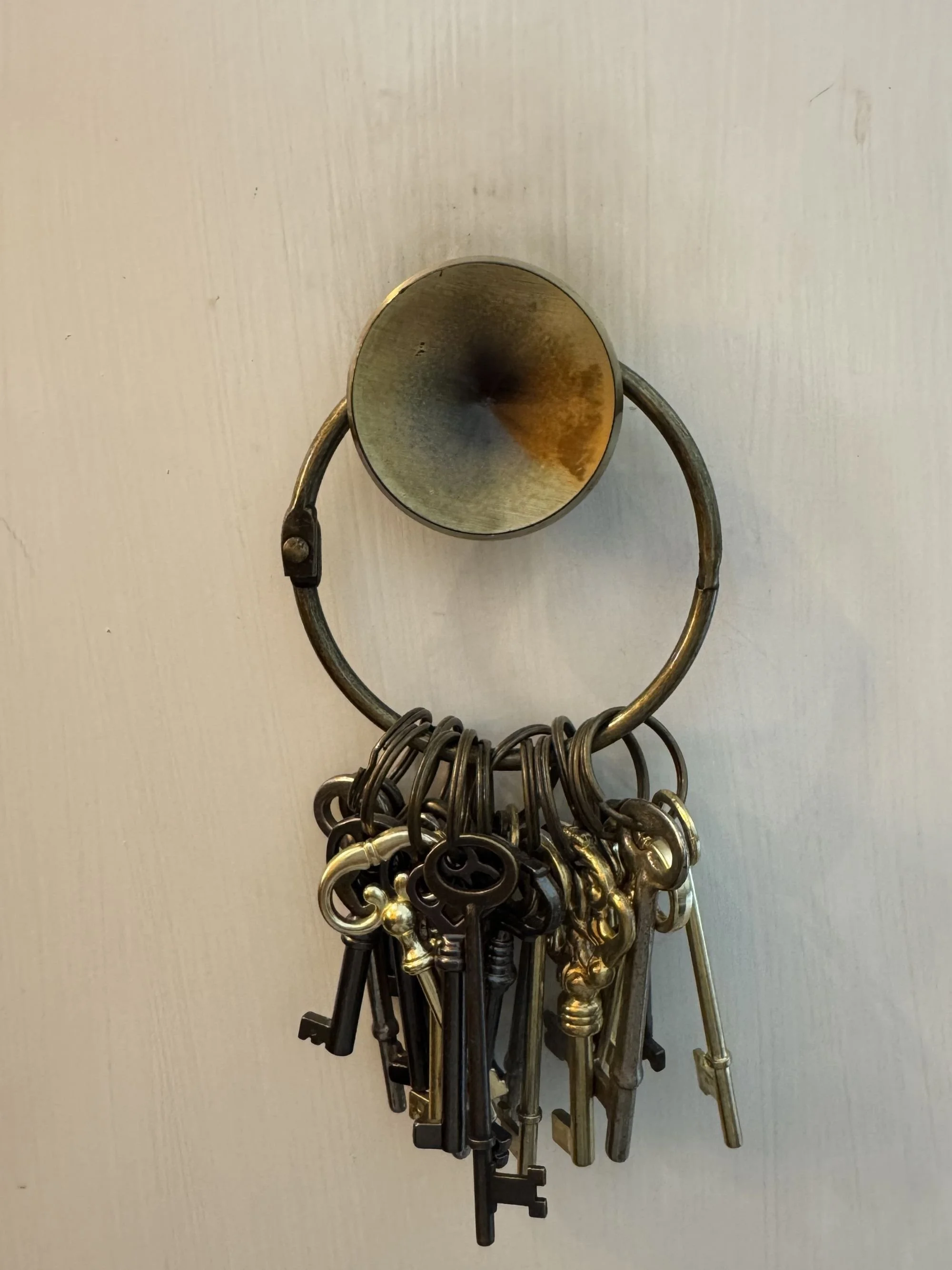
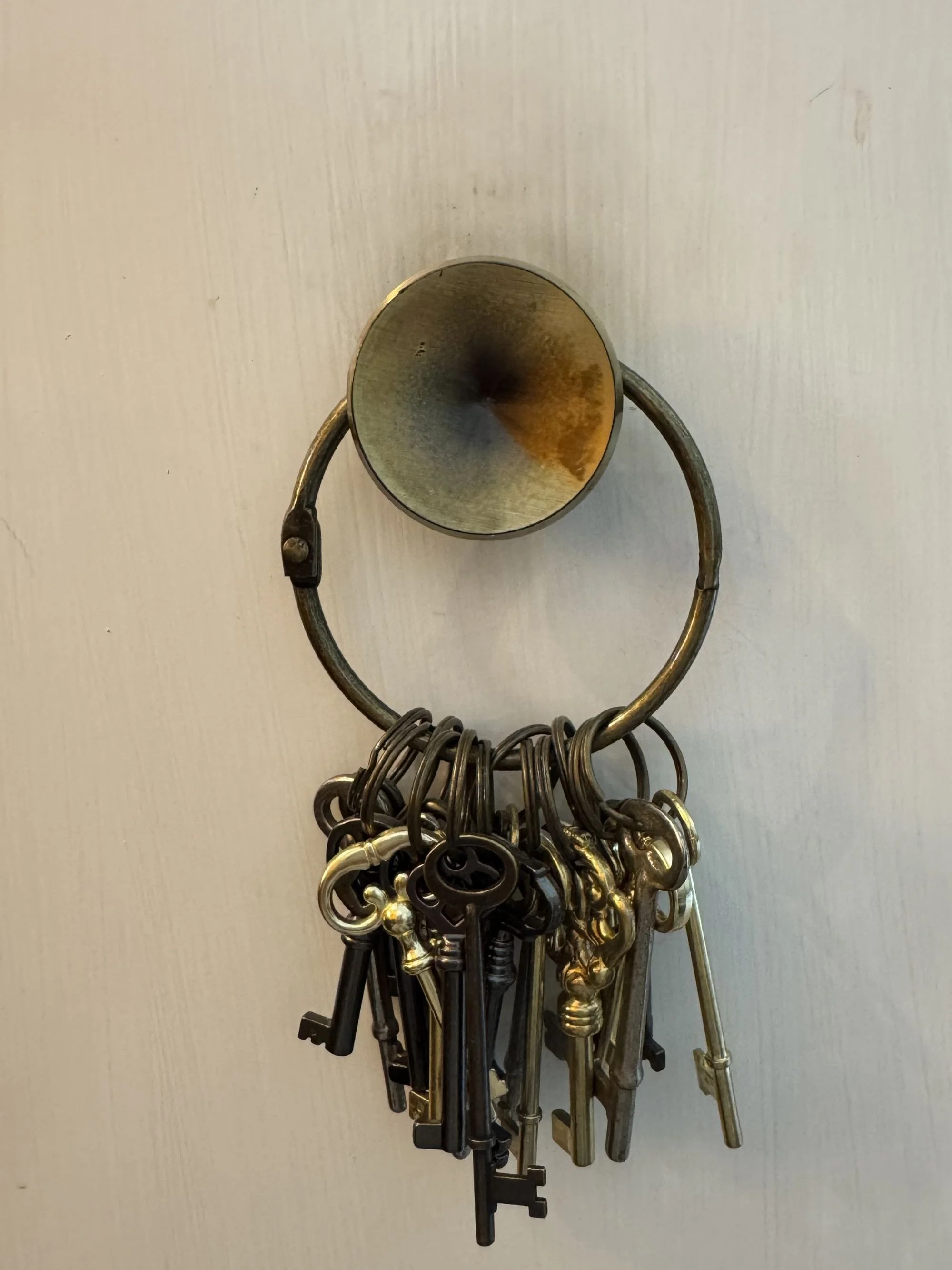
I actually love old skeleton keys. I think I got this from my mom. I don’t know. Or maybe there was an unwritten prequel to this story, because, when I cleaned out one of the drawers in the kitchen after both of my folks had passed away, I found an old Schwinn bag, and inside there were a dozen or so assorted skeleton keys. None of which, by the way, fit the desk lock. Had the desk locked itself once before and my dad bought a bunch of old skeleton keys to unlock it? I will never know. Anyway, I now have those skeleton keys, plus all the ones I bought, on a big, old keychain, hanging on a doorknob near (but not too close) to the old desk. That keychain also holds the one, the one and only, key that opens the desk.
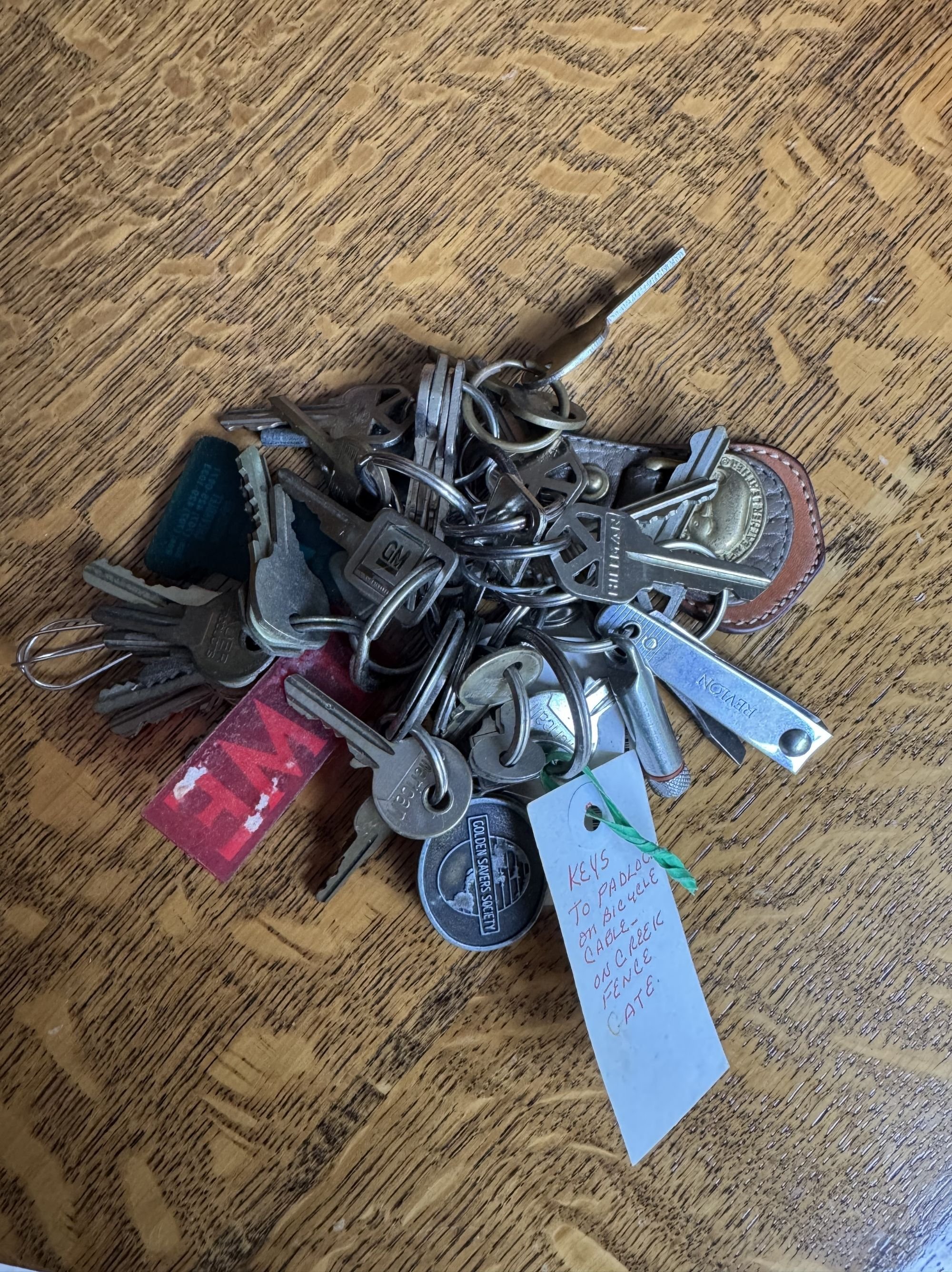
When I look at that collection of keys, it reminds me that we all have a collection of keys—possible solutions—each intended for a specific lock or purpose. And, as we go through life, we collect these keys, and try them. Sometimes they unlock one lock, but not another. But, they all unlock some lock, somewhere. We may just have to be patient and a little persistent, and keep the keys safe, and handy.
And this is why, in the Whole Woman Joy Circle, we don’t build pillars.
Pillars are fixed. Heavy. Immovable.
Keys, on the other hand, are meant to be carried.
Collected. Tried. Revisited.
They fit in your pocket. They travel with you. They meet you where you are.
And over time, you begin to recognize— which key opens which door.
And which ones are worth keeping close.
If this idea of “keys over pillars” speaks to you…
That’s exactly the kind of work we do inside the Whole Woman Joy Circle.
A place for midlife women to explore what actually fits—
and to build a life that feels like their own.
That Time I Dated Alaska
A story of saying yes in Fairbanks, Alaska — and the rhythms of light, tundra, and belonging.
On saying yes.
He was a very nice man. Nice looking, interesting, fun, thoughtful.
I was still married when I met him, not even separated yet. But we were just friends a couple of years until everything at home, and in my life, had changed.
I was traveling for work. A lot. With my career in accounting, financial statement audit in particular, I had taken a job with a large, multinational software company and traveled the U.S. teaching accountants and CPAs how to use a high end audit software. Each week, I was in a different city. The travel was exciting, fun, and enjoyable. It got me away from all the things I was trying to avoid at home.
Imagine my surprise when I was assigned a client in Fairbanks, Alaska! I’d never been to Alaska.
Friends and family were all concerned. A woman, traveling alone, to the Alaskan frontier. I was told “don’t venture out at night” and “don’t talk to any men” and “it’s really scary up there, there aren’t many women, so the men are rabid”. I can be pretty unflappable. I traveled by myself to New York City and walk the streets late at night, taking in the sights, the restaurants, and Broadway. I am not worried at all about Alaska. I have a good head on my shoulders and am a pretty good judge of character.
And I enjoy my week in Fairbanks thoroughly. I did all the sightseeing I possibly could; parks, geocaches, restaurants, museums, the university, and as many breweries as I could find. After my last day with the client, with my flight departing, purposefully, later the next day, so I have the morning to explore some more, I decided to head to a brewery in the neighboring town of Fox. I stroll in, no reservation, and it is crowded. Mostly families. As was my experience everywhere I’d been. Not rabid men. Moms, dads and their kids. The hostess asked if I wouldn’t mind sitting at the bar since I was a “single diner”. I was fine with that. I am comfortable at bars. Alone or otherwise.
I have a fantastic dinner of salmon. Luckily, I love salmon, because it’s about all I’ve eaten all week long. I order the stout on the menu; rich and dark. There are a small handful of folks at the bar. Mostly men. I took a bar stool at the center of the horseshoe shaped bar with at least two or three empty seats to both my right and left. As I’m finishing my locally made ice cream and my stout, someone sits right next to me. Yes, my spidey senses rose a bit, but I remained casual. It was a man, from what I could tell from my peripheral vision. Dark hair. Bearded. And what I noticed was that the bartenders and everyone at the bar greeted him in a friendly and favorable manner. Not like a serial killer or an ex-con or somebody “not nice”.
A few moments later “the man” turns to me and states, “you’re not from around here, are you?” Furthest thing from, and apparently obvious. We chatted and he was pleasant and a good conversationalist. I told him I was flying back to California the following day after going to the art museum at the university. He asked “have you ever ridden on an airboat?” The answer was no, and I had to think about what an airboat even was. Of course, what comes to mind is the vessel the dad on the old TV show “Flipper” used to cruise around the Florida everglades in. And, yes, that is an airboat. Next question, “would you like to go for a ride on my airboat tomorrow before you go to the airport?” Yes! But, no. I’ve not known this guy for more than ten minutes, every voice from home, and a few in my mind, are yelling, “are you crazy? You don’t go out on an unknown vessel with an unknown man anywhere, and especially an Alaskan man”. My answer? “Sure! Sounds great!”
And I didn’t sleep a wink. All night long one voice was saying “get out of it”, “don’t pick up the phone”, “don’t answer the text”, “make an excuse”. And the other voice was super excited about the adventure.
Bright and early, the text messages started. He offered to bring me coffee at my hotel. Um, nope. I stuck to my plan to go to the art museum at the university. And then, we’d see what the timing looked like; I didn’t want to miss my flight. He assured me there would be plenty of time for an airboat ride and lunch.
Several more text messages while I was at the art museum.
We arranged a meeting time and place. I parked my rental car, with my suitcases in the back. He arrived in his cool, vintage Ford truck, and I am a sucker for cool, old vintage trucks. Especially Fords. I’ve been a longtime driver of full-size Ford Broncos. Behind the truck is, I guess, an airboat. It is a shallow aluminum boat with what looks like a wooden airplane propeller attached to the back and, I’d guess, a “homemade” elevated chair apparatus. Just one chair apparatus. And a faded and well-worn folding lawn chair. This may be a bit more of an adventure than the most eager voice in my head is prepared for. But, here I am, and I don’t think I can outrun this guy.
I get in his truck. I can feel all of my friends and family back home gasp, cringe, and cover their eyes. But, remember, everyone at the bar regarded him well, so he probably wasn’t a serial killer. My logic.
We drive to a boat launch surprisingly nearby. I didn’t realize it, but there is a river that runs right through Fairbanks. Which is probably why the town is “Fairbanks”. He plops the boat in and unfolds the questionable lawn chair. It is in no way attached to the boat. I am instructed to sit in the lawn chair and to “be careful, because it isn’t attached” and then I am handed earmuffs like you’d wear for shooting. I put them on and the engine is started (after a few attempts). The propeller roars to life and it is deafening even with ear protection on.
And off we go. My chair immediately tips precariously to one side as we turn. It takes me a few moments to learn how to use every muscle in my body to keep the chair, and me, upright and in, I mean on, the boat.
It is exhilarating. We swoop and swish up (or down) the river.
Eventually, we dock at a lunch spot along the bank and disembark. We step inside, and, again, everyone knows the guy and seem genuinely happy to see him. I am introduced, and we have lunch and more pleasant conversation out on the deck of the restaurant.
After lunch, back in the boat, ear protection on, and we go immediately back to the launch. We say goodbye, I get back in my rental car, go to the airport, and fly home.
Alive. Unscathed.
Cross Fairbanks Alaska off my list. Add Alaska to the list of states I have visited. Chapter closed.
The guy and I texted back and forth. An occasional phone call. We had a dialogue. He talked about the vegetables he was growing, or the moose he and a friend shot; putting food on both of their tables for at least a year. He talked about “fish camp” and “gill netting” and “dip netting”; adding more food to his coffers for the winters to come. He told me about his crows that would come for food scraps he left out on the deck. One fledgling crow that he had eating out of his hand. He talked about his jobs; one as an auto body shop owner where he works primarily with people who can’t afford to have their cars fixed elsewhere. He got the job done for less, got them back on the road, and made less than the other auto body shops in town. He also drove the “haul road”, as a pilot car, for the loads navigating from the port in Valdez up to the ice fields in Prudhoe Bay. For the ice road truckers.
I talked about the latest city I traveled to; the food, the beer, the sights. I talked about my life in California; my kids, my parents, hiking and my running club.
Our lives could not be more different. Which made the friendship interesting.
A couple of years later, he decided to visit me in California. He always liked to take some time, mid-winter, when things are dark 24-7, and go somewhere sunny. His mom lived in the desert in the southern part of the state. But this year, he wanted to visit me.
I had no idea what to expect, but I kind of figured what was going to happen.
We dated for two years. Long distance. Very long distance.
It was a lot easier for me than for him. My job required me to fly, almost weekly. I had airline points and status and it was just as easy to book a “stop” in Fairbanks on my way home from, wherever, as it was to just fly home. A bit more time in the air, but I also earned more points! I was practically getting paid to fly to and from Alaska.
In those two years, I honestly don’t know how much cumulative time I spent there. A bunch. In a house in the woods. He’d built himself. Complete with running water and indoor plumbing. Though there was an old outhouse from before that upgrade. On a mountain. Thirty miles or so outside of Fairbanks. There were trails from his property out into the tundra. And if you have never experienced the tundra, do it! It’s magical! Like walking on sponges. Except there are wild blueberries and cranberries for the picking.
He built the house so that the windows all faced the hilltop where University of Alaska, Fairbanks had their research equipment for analyzing the aurora borealis. In other words, if the aurora was going, you could see it from any window in the house. We could see it from bed.
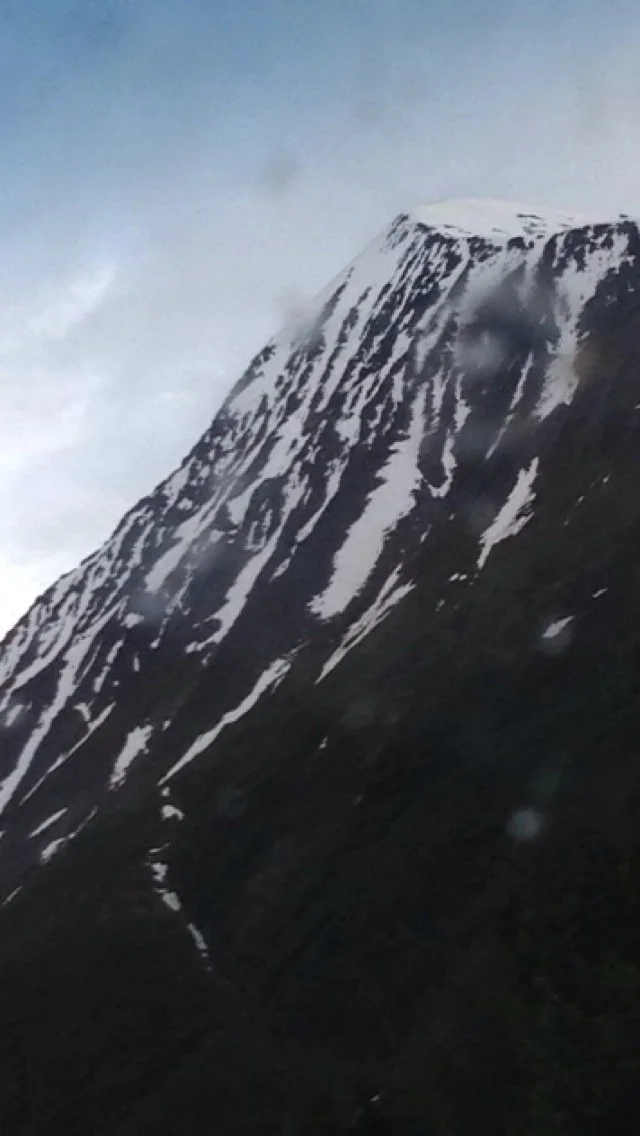
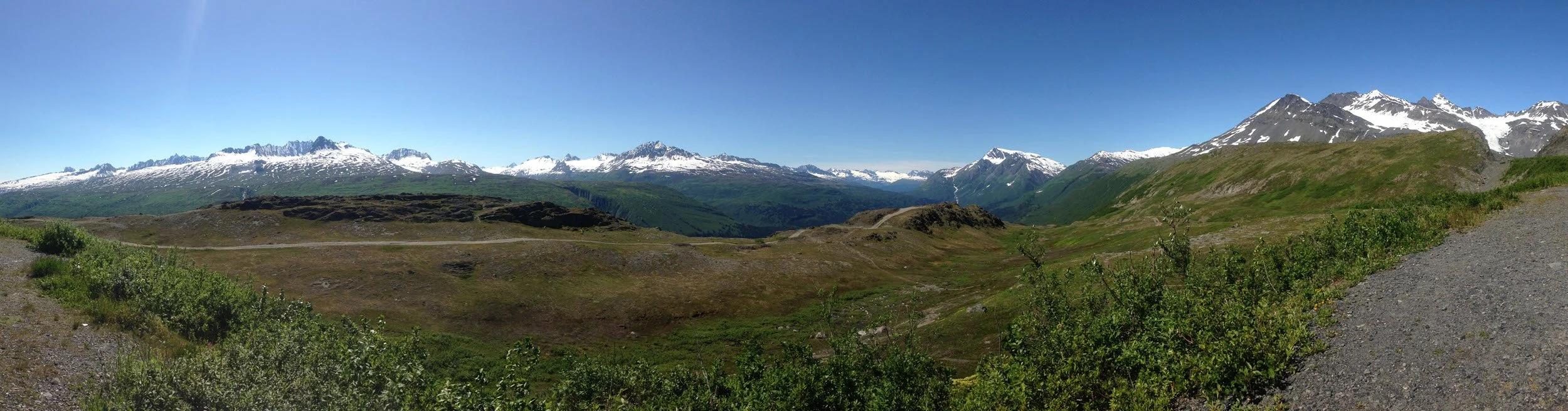
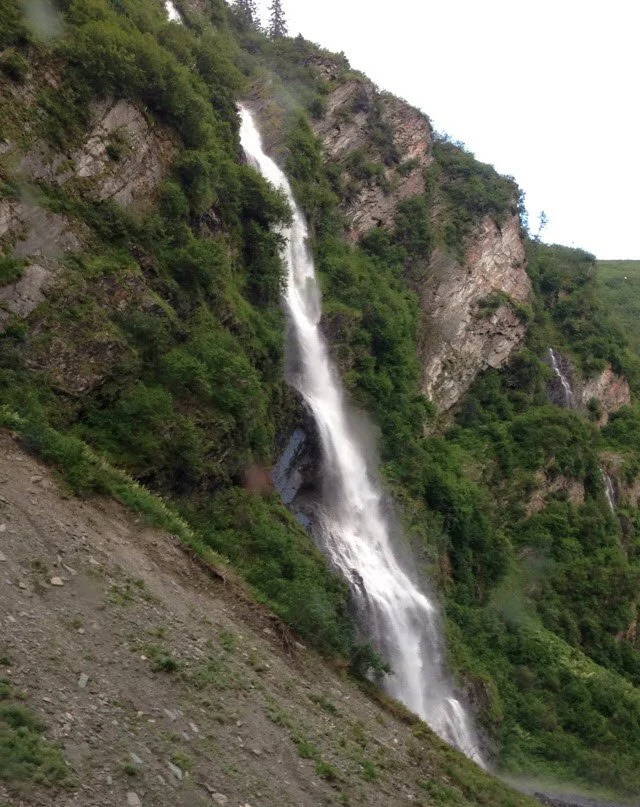
We rode “snow machines”, which I only ever knew as “snowmobiles”. And ATVs. We went airboating a lot. And I got to ride along, on occasion, on the “haul road” as he piloted trucks with long loads of pipe up to Prudhoe Bay. I have been beyond the Arctic Circle. I have seen, in fact, every inch of the pipeline from Valdez to Prudhoe Bay. Maybe not every inch, but I have traveled its length.
Once, I slept in the pickup truck with him, in Prudhoe Bay. And, yes, it was forty below. Outside. Which was only necessary for the bathroom and the shower in the nearby building.
I have seen glaciers. I have witnessed how they’ve receded.
I have seen flocks of ptarmigan flying across the icy road; so hard to see white birds against a white landscape. But a thrill when you do. I have a picture, somewhere.
I have been on big, wild rivers where eagles are as thick as mosquitos. I have fly fished in streams and lakes. I have fished for and eaten Arctic char. Always a fly fishing “rig” and fishing rod, or two, in the truck. Or car. You just pull over to the side of the road and catch dinner. Or just catch and release if there’s already plenty at home for dinner. You never keep the big fish you catch; that’s good stock. You let it live and pass on its hearty genes to its spawn. And you never keep a fish you don’t need. If there’s something at home for dinner, then you fish for sport and let it go.
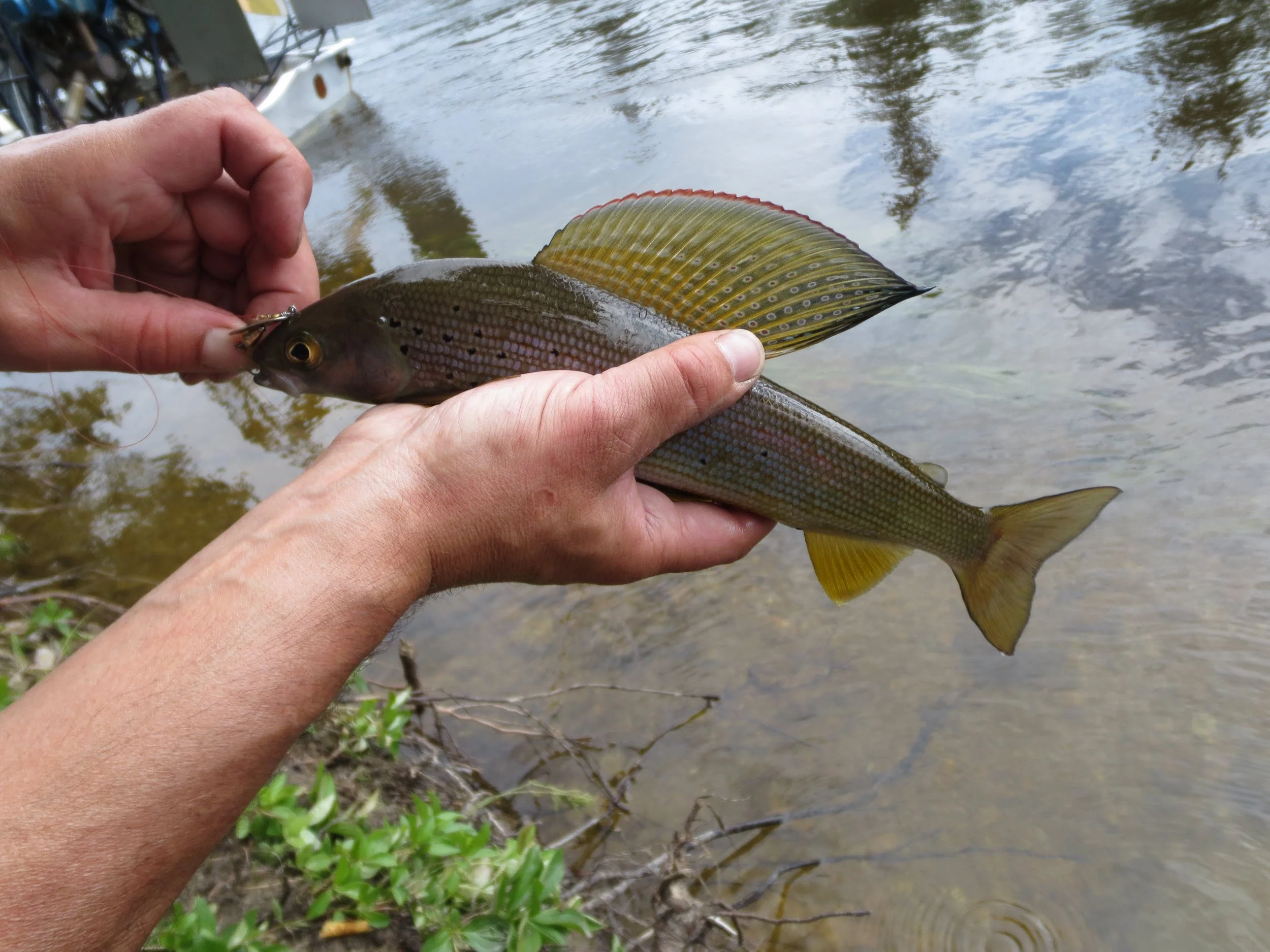
Not being a “resident” I wasn’t allowed to “dip net” for salmon on the Copper River, but I was able to help. As they were caught, sometimes two or three at a time, they were, literally, thrown to me. My job was to quickly put them out of their suffering, gut them and chop off their heads. It sounds barbaric; but this is “sustenance” living. This isn’t sport. This is food on the table for the next year. Until the next season. Assuming the salmon population is plentiful enough. Each year, sustenance fishing is allowed only if the population is robust enough. So, you catch your allotment and put it up for a rainy (or snowy) day.
I got to go moose hunting, but we came home empty handed. This, too, is for sustenance. Not sport. It is food in the freezer because you’re only allowed one moose per year and you don’t always get one. When you do, you share it with whoever helped you cut it up and carry it back to the vehicle. You share it with whoever helped you butcher it; no small job. And you freeze the rest in case you don’t get one for the next year or two.
We would sometimes head up the trail from the house on the ATV and hunt grouse. For dinner.
And the people. His friends and neighbors. The community.
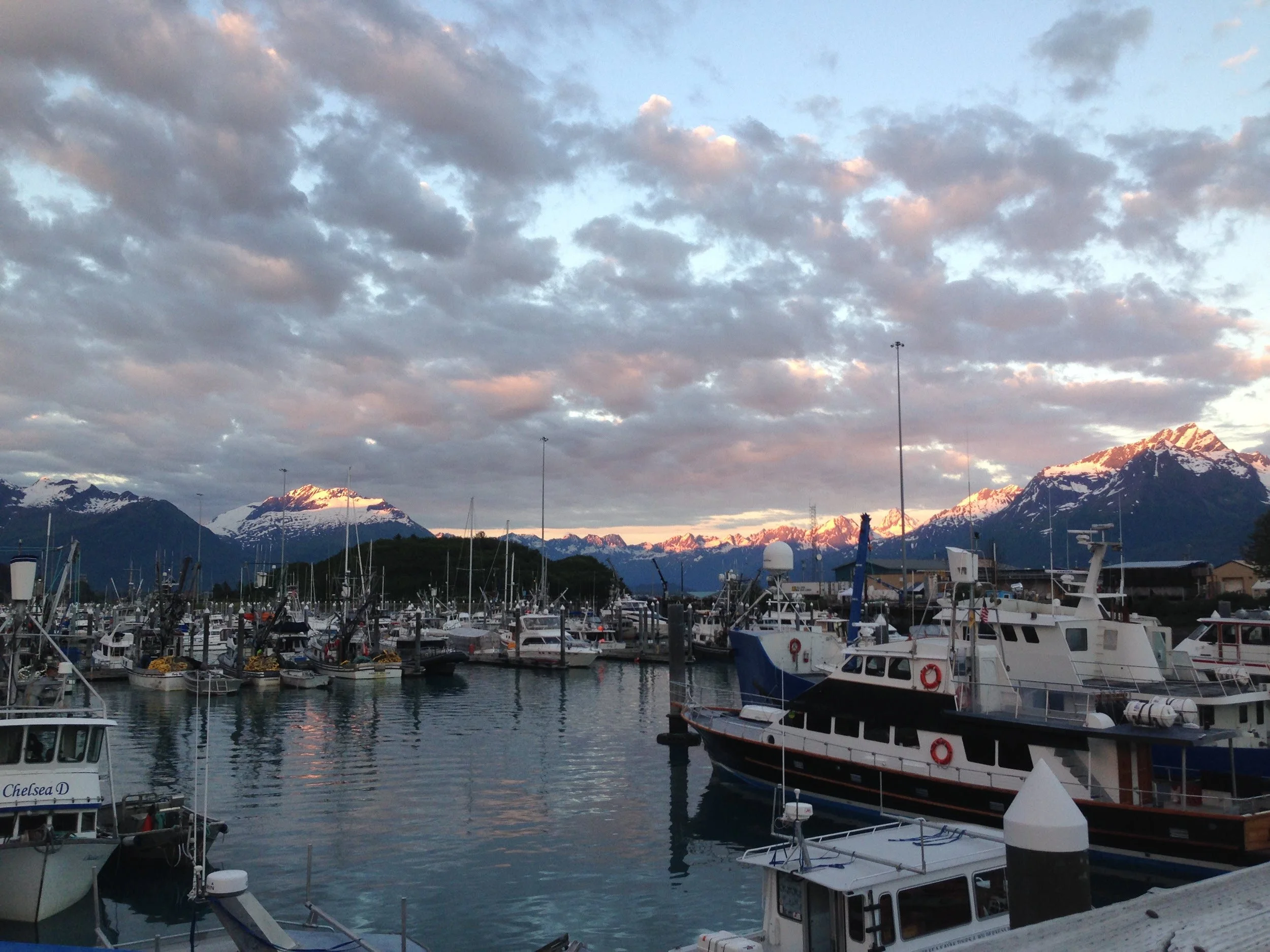
The neighbors on the mountain work together to grow food and share the rewards. One family grows potatoes. When the potatoes need planting, everyone shows up. When the potatoes are ready to be dug up and harvested, everyone is there to help. And everyone goes home with some potatoes for the winter.
One family would raise pheasants, another would raise chukars; and trades would be made. When dinner rolled around, it was common to go out with the .22 and shoot on bird, defeather it, cook it and have it with potatoes and garden grown vegetables an hour later. That’s about as farm to table as it gets.
Gardens are compared and shared. His was in a greenhouse he built himself. There was an oil burning furnace inside with piping that ran under the beds so the soil could be thawed before the world outside was. The growing season is way too short to wait for things to thaw.
There is a rhythm. In Alaska, you have no choice but to live by the seasons. Of course, there is a Safeway; you can buy all the same stuff there as you can in a Safeway anywhere. But that didn’t seem to be the norm. You went to the market to fill in those couple of things you didn’t have; catsup, or cheese, or deodorant. Maybe not everyone, but I would guess that the people who live there most of their lives, who understand and are “in tune” with the seasons, who feel the connection to the abundance and absence of sunlight.
I felt that rhythm. I felt that connection. And the sense of community I experienced on that mountain. It felt right. I understood sustenance, on the delicate balance of species; humans, animals, fish. It was a way of life that I admired and could adapt to.
There were doubts, though. Not mine, mind you. The man felt something was wrong. That a California poppy could never thrive in Alaska. A pattern of doubt, break up, confidence, and make up developed. It was exhausting. After the third, fourth, maybe fifth time, I just let it go.
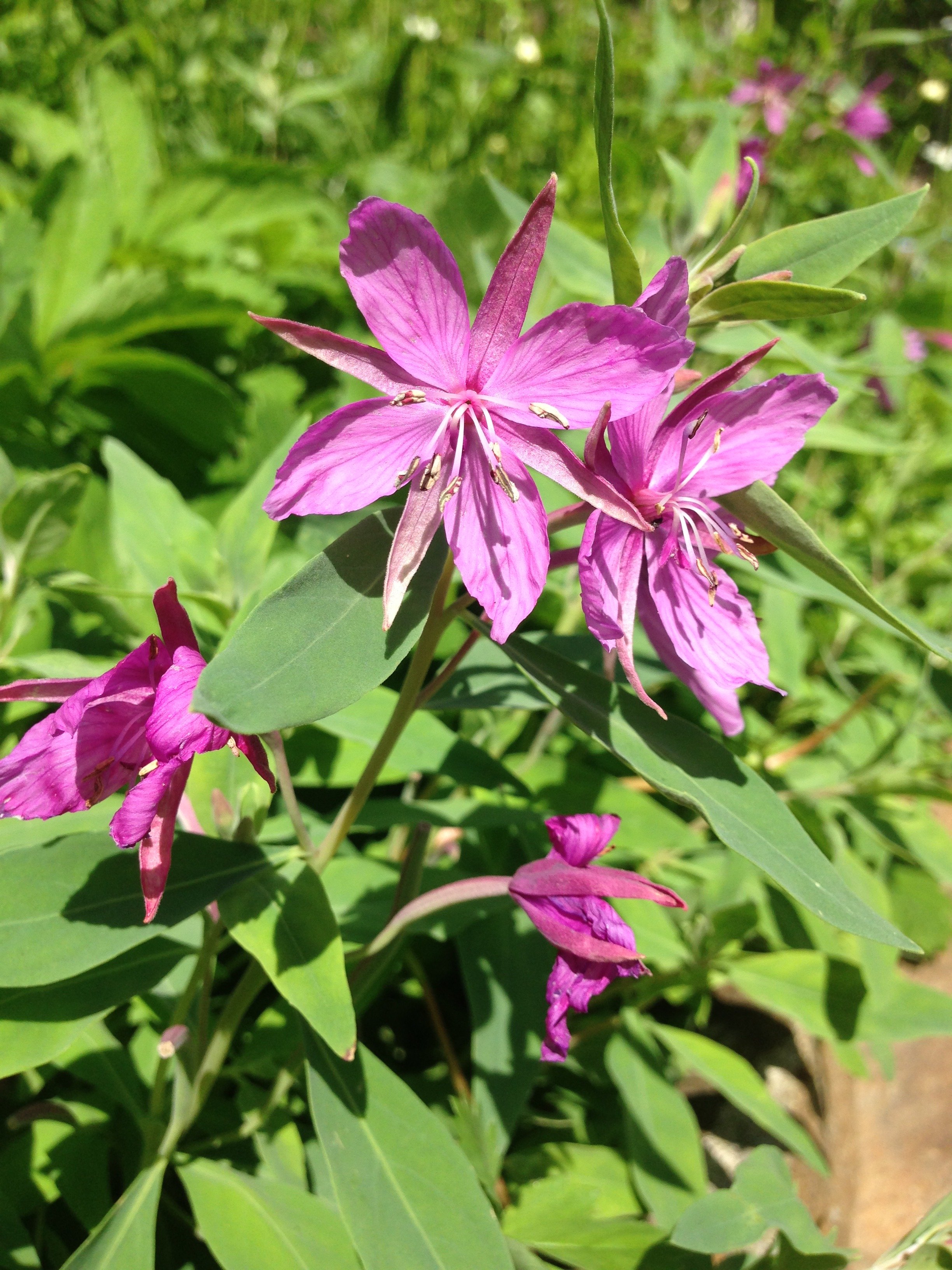
There was grief at what was lost. The relationship, sure, but I have another that is far more stable, over eleven years and no doubts. No heartache. The grief I experienced after the breakup was as much to do with the loss of Alaska. I belonged, at least part time. And then I didn’t. No more aurora borealis, no more walks on the tundra picking wild blueberries. No more crazy ice road trucker adventures. Someone asked me recently whether it was the man, the people, the place, the adventure, or just the edge that I was most heartbroken by. I had to really think about it. I do love an edge. I thrive on adventure. But, I have to say, it was the awe of the place; the vastness, the beauty, the power of nature there. And it was the people I met and the sense of community.
But what I think I learned from my experiences was a respect for rhythm. Light and dark. Warm and cold. Plant and harvest. Salmon are running, or they aren’t. The moose are up in the hills or they’re down low. The fish are near the surface, or closer to the bottom.
And since then, I have paid more attention to the rhythms around me; not just weather and seasons, but cycles and routines, rituals and practices. The rhythm of a day. The rhythms in our bodies; hunger, thirst, movement, sleep, mood, emotion. The more I pay attention to those cycles, those rhythms, the more I understand what my body needs, what my brain needs, my heart, and my soul. Like the chorus of a song that repeats every now and then.
Would I do it all over again? Absolutely. Would I go back? As a tourist, perhaps, to parts of Alaska I haven’t seen.
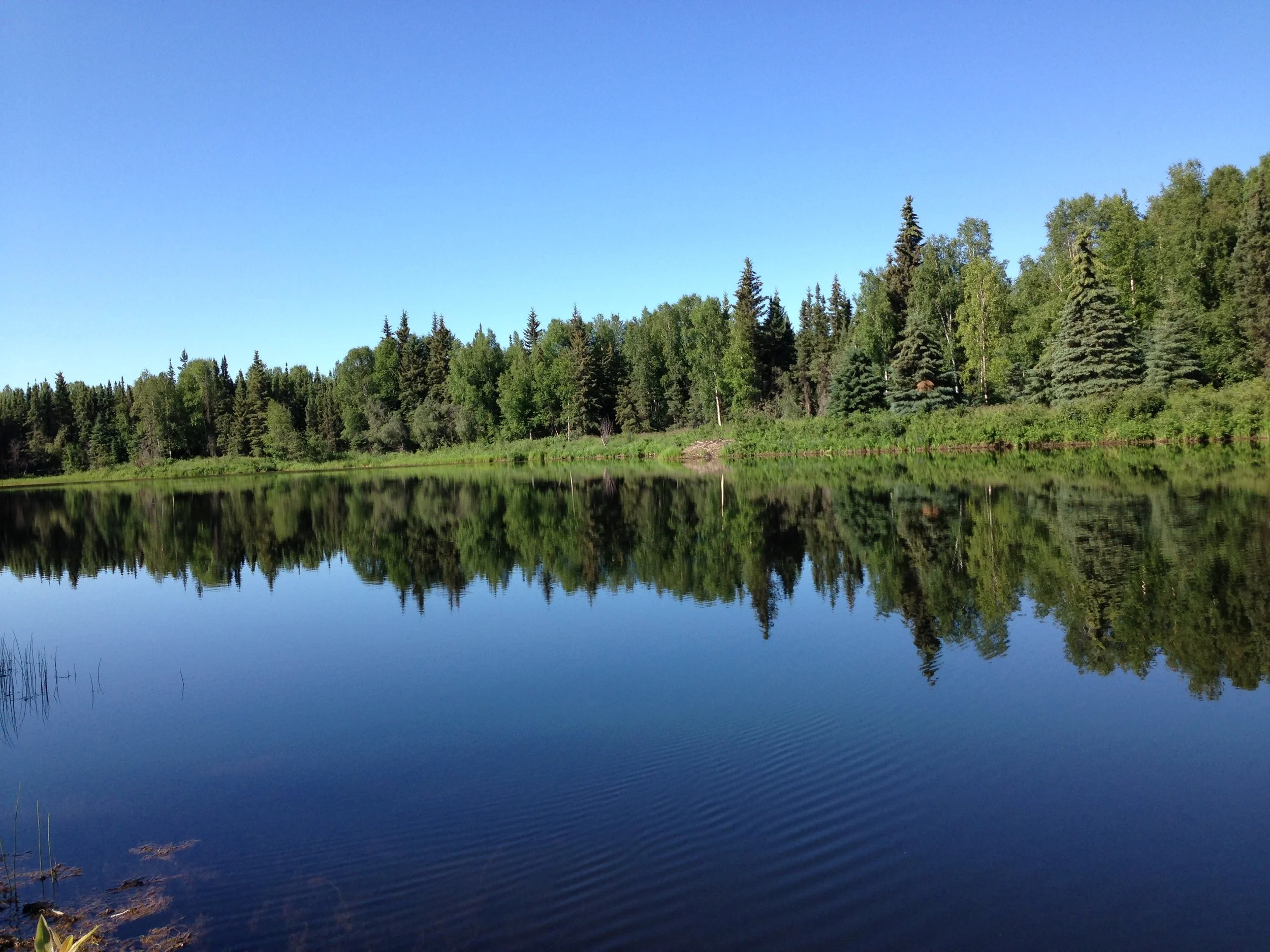
But I am in a good rhythm, here, now. I garden, now, and pay attention to the rhythm of planting, tending, and harvesting according to the seasons that surround me. I hike more during spring and summer when the weather is cooler. I walk more in the summer and winter, when hiking is less comfortable. I always put on a little extra weight in the fall and shed it in the spring. Like a bear. I’ve been experimenting with new rhythms in this postmenopausal body, too — fewer meals, narrower eating windows, more strength, less frantic cardio. Listening more closely. Adjusting when the season shifts.
Life is good, here. I have community. A good man. A cat. I have my own crows now, too. I am hoping to get one to eat from my hand.